Camp like a pro.
Transform your camping experience.
Camping doesn't have to be hard.
All you need is to be prepared with the right gear, to make amazing memories while enjoying nature.
The sounds. The scents. The peace.
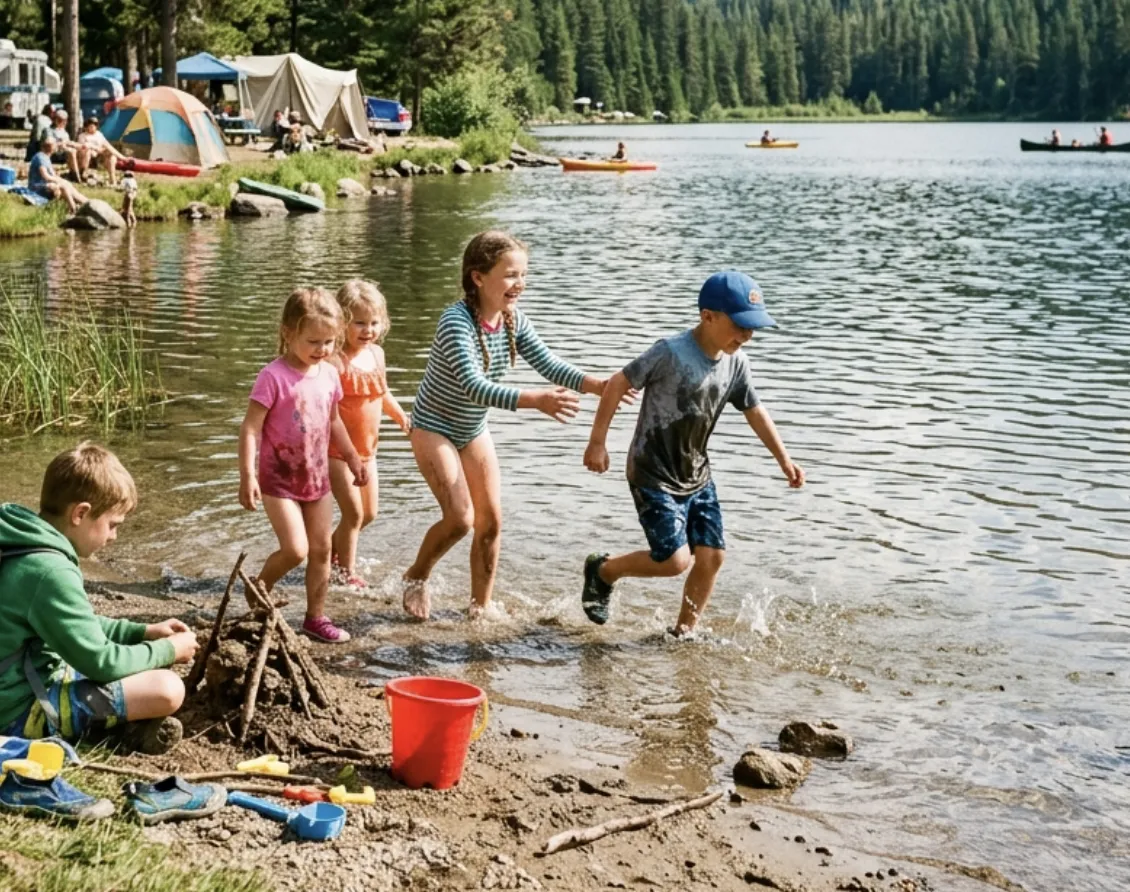
That's what camping trips are about. Enjoying nature solo or with friends and family, the camping trips will create lasting memories.
Explore the ways to make your camping experience a comfortable one.
Shop By Categories
Discover the perfect solutions to all your outdoor needs


Frequently Asked Question
Welcome to our FAQs section, where we address common questions and provide helpful answers about our services as a marketing merchandiser specializing in customizable promotional items. Whether you're new to promotional merchandise or a seasoned marketer looking to enhance your brand's visibility, our FAQs are here to provide clarity and guidance.

Can I customize the promotional items with my company logo?
Yes, we offer customization options to showcase your brand identity.
What types of promotional items do you offer?
We provide a diverse range of customizable merchandise for marketing.
What is the minimum order quantity for personalized items?
Minimum order quantities vary depending on the selected product.
How long does it take to receive my customized items?
Production times vary but are typically within 7-10 business days.
Do you offer rush shipping options for urgent orders?
Yes, we offer expedited shipping options for time-sensitive orders.
See Our Latest Blogs
Stay up-to-date with our latest insights, tips, and trends by diving into our newest blogs. Whether you're seeking industry expertise, marketing strategies, or product inspiration, our blog section is your go-to resource for valuable content.
How to Remove Surface Stains from Concrete
How to Remove Surface Stains from Concrete | Exterior Shine Pros
How to Remove Surface Stains from Concrete
If you've looked at your driveway or patio and wondered when it started looking so tired, you're not alone. Concrete is durable, but it isn't stain-proof — and in Alexandria and Pineville's heat and humidity, stains show up faster and spread further than most homeowners expect. Here's a breakdown of the most common concrete stains, what actually works to remove them, and when it's worth calling in a professional.
Common Types of Concrete Stains
Oil and grease stains. Usually found in driveways and garage floors, these come from vehicle leaks and tend to darken over time as they soak deeper into the concrete's pores.
Rust stains. Reddish-brown marks that come from metal furniture, fertilizer, sprinkler heads, or rebar corroding beneath the surface. Rust stains are notorious for spreading if left untreated.
Mold, mildew, and algae. Dark green or black patches, usually in shaded or damp areas — under trees, along fence lines, or anywhere water tends to pool. These aren't just cosmetic; they're active organic growth that keeps spreading.
Tannin stains. A yellowish-brown discoloration left behind by decomposing leaves, pine needles, or mulch. Common under trees and around flower beds.
Tire marks. Black scuff marks left where tires sit or turn sharply, especially on driveways.
DIY Methods That Actually Work
For fresh oil and grease stains, start by soaking up any excess with cat litter or baking soda, then scrub with a concrete-safe degreaser and a stiff brush before rinsing. The key is catching it early — the longer oil sits, the deeper it soaks in and the harder it is to lift.
For rust stains, a poultice made of baking soda and water, or a commercial rust remover formulated for concrete, works better than a generic cleaner. Avoid anything with bleach, since bleach can actually set rust stains rather than remove them.
For mold, mildew, and algae, a diluted bleach solution (roughly one part bleach to three parts water) can kill surface growth, but it needs to be rinsed thoroughly and kept away from grass and plants. Keep in mind this treats what's visible — it doesn't always reach spores that have worked into the concrete's pores, which is why growth often returns within a season.
For tannin and tire marks, a scrub with dish soap and warm water lifts lighter staining; for set-in marks, a degreaser or oxygen bleach solution left to dwell for 10-15 minutes before scrubbing usually does the job.
Where DIY Methods Fall Short
A few things make concrete stain removal harder than it looks. Scrubbing by hand often can't reach stains that have soaked deep into the concrete's pores, especially on older or more porous surfaces. Store-bought chemicals can lighten a stain without fully removing it, leaving a faint shadow behind. And treatments that only address the surface — rather than the root of mold or algae growth — tend to see the problem return within a few months, particularly in a humid climate like ours.
There's also a real risk of doing damage while trying to fix the problem: too much bleach can discolor concrete unevenly, and pressure applied incorrectly with a rented power washer can etch the surface or blast out mortar joints between pavers.
When to Call a Professional
If a stain has been there for more than a season, covers a large area, or keeps coming back after you've cleaned it, that's usually the sign it's time for professional pressure washing or soft washing rather than another DIY attempt. Professional equipment reaches pressure levels and uses techniques that lift embedded stains without damaging the concrete underneath, and treatments aimed at mold and algae growth address it at the root rather than just the surface — which matters most in a climate like Alexandria and Pineville's, where humidity gives organic growth every reason to come right back.
Exterior Shine Pros handles both pressure washing for tough, set-in stains and soft washing for surfaces where a gentler, solution-based approach works better. If your driveway, patio, or walkway needs more than a garden hose and a scrub brush can manage, we're happy to take a look.
Related: [Pressure Washing in Alexandria and Pineville, LA](#) | [Soft Washing in Alexandria and Pineville, LA](#)


Facebook
Instagram
Youtube